Spotting wild animals in the wilderness and sleeping under the sky full of stars, is what every traveler dreams of.
Running behind the colorful butterflies during the day and chasing a group of fireflies during the night hours, is what fascinates the kids when in Jungle.
Shooting (with camera) animals during an act and waiting for that perfect shot of a rare bird for hours is a photographer’s passion.
We all love jungles, don’t we?
That blissful morning with chirping sounds, that peaceful night around the bonfire, that cool breeze and the rough forest trails are the things what we crave for in cities. Don’t we?
But to keep our jungles and its inhabitants the way they are, we must abide by the some jungle rules.
We at yatripandit, have learnt these rules after our various trips to the wild.
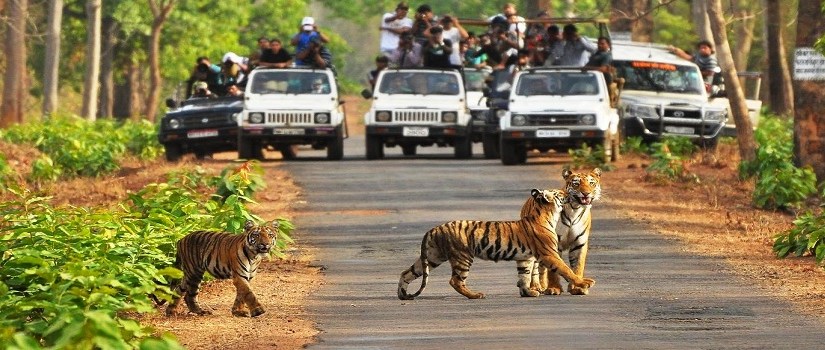
Let them cross, you must wait – We must understand the forests belong to animals like the towns belong to humans. While on a jungle safari, if you see any animal crossing the way, kindly stop the vehicle, switch off the engine and just wait till it crosses the way. However, I am sure it won’t mind you clicking some good pictures 😛
No-Honking – The only noise signal valid in the wild is the sound of the birds and animals. Please do not demonstrate poor manners by honking and spoiling the melody of the silence prevailing around.
Do not jump out, stay in your safari – If you spot a tiger or any creature which excites you, please calm down your adrenaline rush and stay inside the safari because neither the animal nor your guide shall be responsible for any fatal accident.
Do not litter – Trash, especially plastic is the biggest enemy of forests and the residents. Always carry a bag to collect trash back with you and never throw any waste in the jungle. It’s our moral responsibility to keep our jungles clean and green.
Be nice to your guide – Being a Jungle guide is a tough and risky job. Jungles are usually closed for tourism during rainy season and guides and jobless. Ask a lot of questions but at the same time be nice and respectful to them. Give them some tip and wishes before bidding adieu, let your guide remember you forever.
Never try to scare animals – Always remember jungle belongs to animals, never try to scare them by any weapon or especially fire. Karma is a bitch and it bites back.
Do not loose heart – If you could not spot a tiger, rhino or an elephant; do not be disheartened because of 2 reasons :- – Their population is not as huge as ours
– They want you to come back soon to their territory
And as they say, “You might have not seen the tiger, but he has surely seen you.” Always leave the jungle with a smile and a promise to come back.
We would love you to read our stories on some of our amazing jungle trips by clicking
It was our 1st road trip in my new I-10. We started off early and straight hit the Nasik highway from Ghansoli. 1st hault taken after about an hour for breakfast (vada pav and Chai) on a roadside Tapri. The taste was good as the vada’s were served to our plates straight from kadhai.
While on the way to Trimbakeshwar temple near Nashik, we saw a huge water body and were fascinated to go there. It was Lake Vaitarna, serene and a landscape worth capturing.
We left for the ancient temple of lord Shiva again, which is of great mythological importance and 1 of the 12 Jyotirlingas. Kusavarta, a kunda (sacred pond) in the temple premises is the source of the Godavari River, the longest river in peninsular India. The current temple was built by Peshwa Balaji Baji Rao (Nanasaheb). Finding a parking space close to temple entrance was a tough task as it was a weekend. After reaching the temple gate we found out that the entry was closed as it was already too crowded. Then 1 of our hyper exited friend went on a pass search mission and came back victorious. There we were in the queue for darshan and came out in about hours time. The temple is made of black stones.
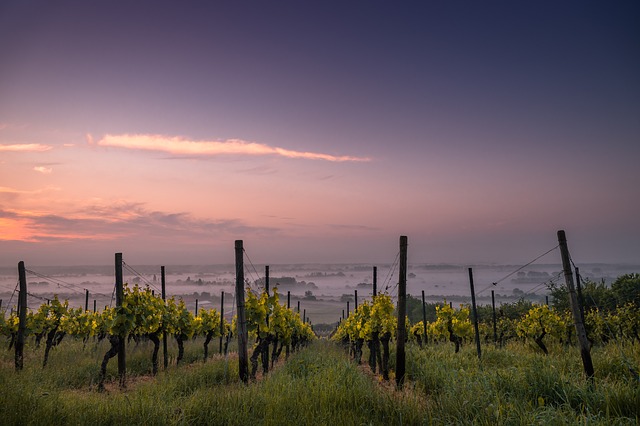
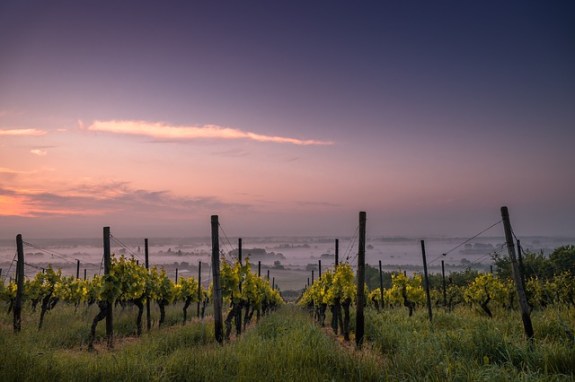
Our next destination was Sula vineyards in Nasik. After entering this place you will feel as if you have reached some vineyards in Switzerland. Widespread grape farms and breeze rustling through the leaves will leave you mesmerised. Hurry up and register for the next wine tasting tour, which allows you to see the wine manufacturing process and also taste some of the finest wines produced in the Indian sub-continent. White harvest and Dindori are must haves. Also they have an excellent restaurant serving stuff with cheese as a prime ingredient because as they say, wine tastes best with cheese.
Sula vineyard also provides staying options but being frugal we did not opt for it. Sula fest is an annual music fest and a must visit.
While returning back we had enjoyed a tasty Maharashtrian meal comprising of bhakri, pithla, dal, jwari, kadhi and bhaat.
Please click on the ads which appear on the website. This blog is still very young and growing. If you like the story, do not shy away from reciprocating your love in form of likes comments and sharing on social media
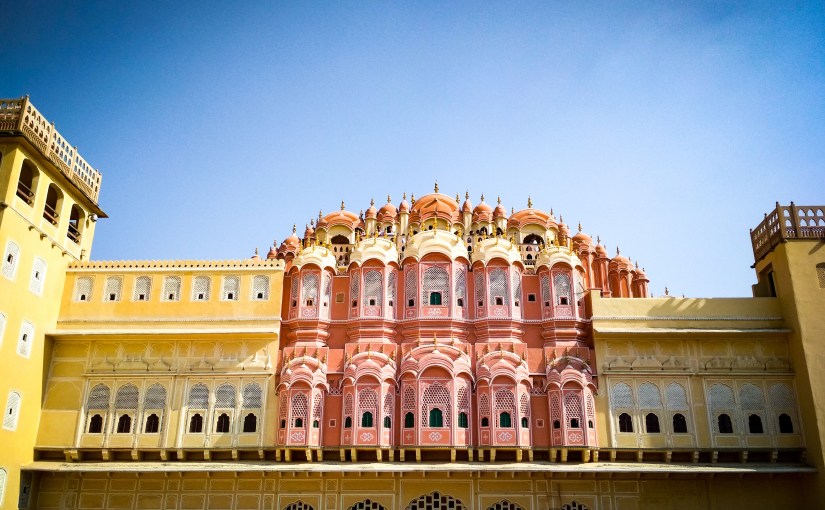
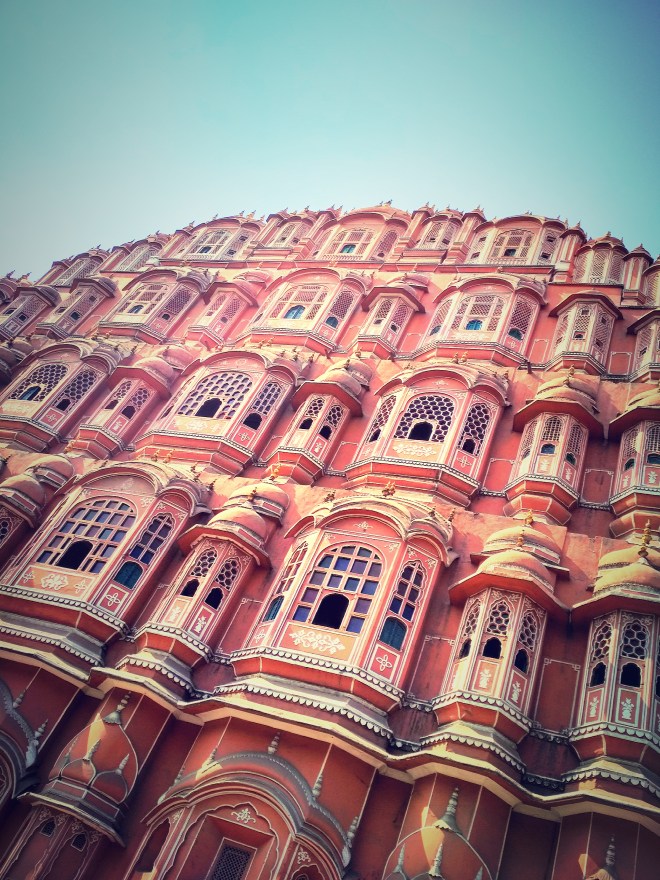
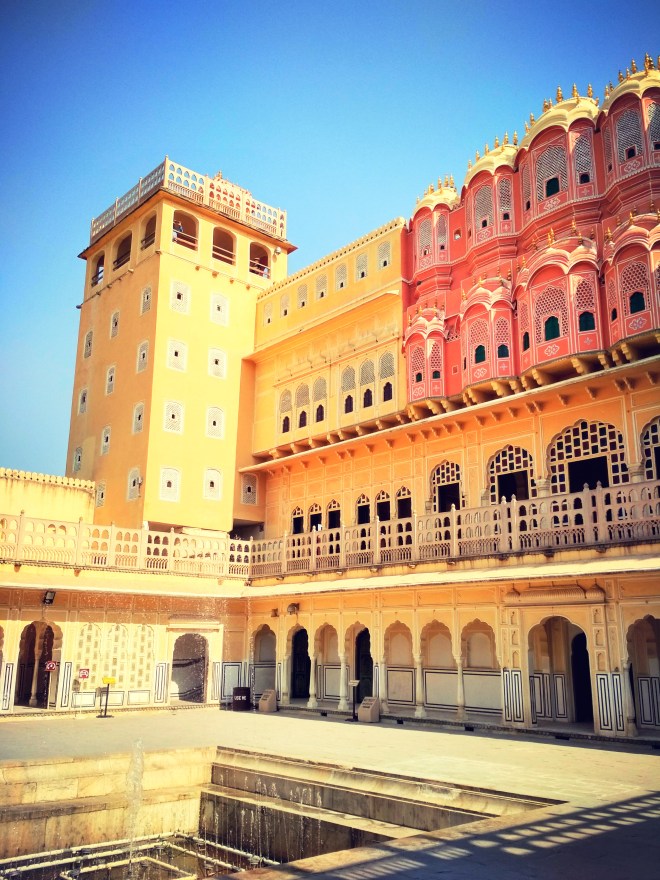
Its unique five-story exterior is akin to the honeycomb of a beehive with its 953 small windows called jharokhas
The original intention of the lattice was to allow royal ladies to observe everyday life in the street below without being seen since they had to obey strict “purdah” (face cover).
Windows (Jharokha) has colorful panes so it will light the hallways with different colors.
Stay tuned for our upcoming story on Garadia Mahadev – Grand Canyon of Rajasthan
Story & Pictures by Utkarsh
Please click on the ads which appear on the website. This blog is still very young and growing. If you like the story, do not shy away from reciprocating your love in form of likes comments and sharing on social media
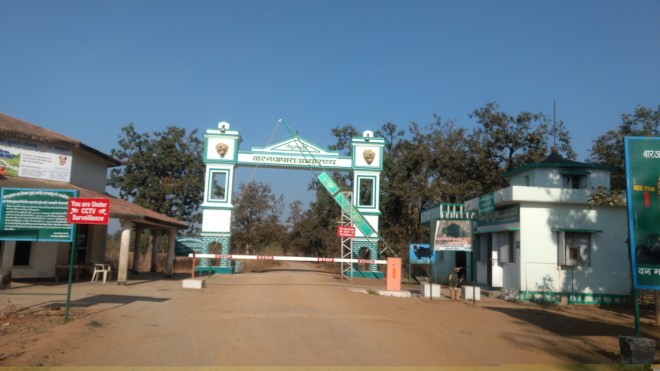
At yatripandit, we believe there should be no boundaries on travelling especially when it comes to jungle and wildlife. It is the only one, out of 543 wildlife sanctuaries in India where you can drive your own car inside the protected area. When we came about this unique fact about Barnawapara, we were already inside our Ford Ecosport heading towards the Jungle.
My younger brother suggested us this trip and 3 of us along with him, left from the capital city of Chhattisgarh, Raipur at 2pm and within 2 hours we were at the entry gate of Barnawapara. The highways are maintained in tint condition and cruising on them gave us great adrenaline rush.
Where to stay: We chose to stay at CG Tourism’s, Hareli eco resort ditching the more famous ones like Muba Resort and celebration. We did not regret the stay and hospitality even one percent and saved some bucks as well. The resort is well maintained, wide spread, and located on a lake side. Its service is fabulous as well and can be booked from various online platforms.
This slideshow requires JavaScript.
After getting our room keys and dumping our luggage, we boarded our car and headed straight to the protected area entry gate. A guide, who are usually local village boys can be hired from the entry gate at a nominal price of 300-500 INR. Getting a guide is a must otherwise you might get lost forever in the wilderness(just exaggerating a little more). It was a good 1.5 hours ride on bumpy jungle roads. And we were lucky to spot a sloth bear lazing around by the road side, wild boar and a heard of deer.
Back to our machan like rooms in the Hareli resort, changed and got fresh to have a relaxed time sitting in balcony sharing some talks from our old jungle trips(read about Bandhavgarh and Bastar), laughs, relishing some drinks with freshly cooked snacks and doodling over music. All we needed after that was a good dinner and some nice sleep. The dinner was cooked on demand and was more like a home cooked food. We truly enjoyed every bite of it.
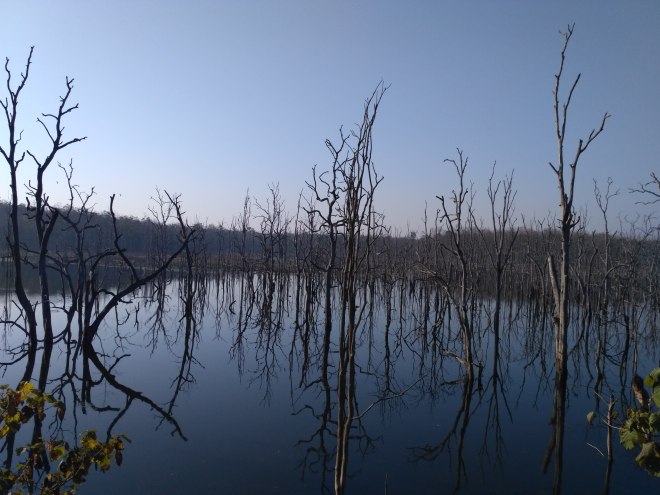
Water body – Life line of the Jungle
Pagdandi
Wild Boar
What to do: Jungle safaris are all about waking up before dawn and in Hareli resort the chirping birds played our alarms clocks. Within minutes we were driving in our Ecosport again and reached the entry gate driving through the fog and mist in no time. Hired a new guide and there we were inside this beautiful jungle which is spread over an area of about 245 sq km in the Mahasamund district of Chhattisgarh. Bird watching in Barnawapara is one of the most enjoyed activities. The major fauna of the Barnawapara Sanctuary include Tigers, Sloth Bear, Flying Squirrels, Jackals, Striped Hyena, Wild Dogs, Chital, Sambar, Nilgai, Gaur, Muntjac, Wild Boar, Cobra, Python, Antelopes, Leopards, Chinkara, Black Buck, Jungle Cat, Barking Deer, Porcupine, Monkey, Bison, to name a few. The sanctuary also has a large population of birds that include Parrots, Bulbul, White-rumped Vultures, Green Avadavat, Lesser Kestrels, Peafowl, Wood Peckers and the list can go on and on. We could spot many of these but tiger. 😦
Africa look alike lake
Do not miss climbing to the highest watch tower and observe the forest silently breathing pure and light. That greenery; spread till the horizon is the best treat you can offer to your eyes, tired of laptop and cell phone screens.
When to go: The protected area is closed for tourist during Monsoons(June to Sept) every year. The most suitable time of the year is winters i.e. November to March.
Not to worry if you donot have your own can to offroad, Gypsy’s and jungle safari’s can be hired at the entry gate or Hareli resort can arrange the same for you.
Bidding adieus to this self motorable jungle; we were back again to smaller concrete Jungle(Raipur) in 2 hours and next day to a bigger one(Pune). We captured many memories and pictures. We surely are returning back to this jungle very soon.
Stay tuned for our upcoming story on rules of the Jungle (Which are NOT location specific).
Story by: Abhimanyu
Please click on the ads which appear on the website. This blog is still very young and growing. If you like the story, do not shy away from reciprocating your love in form of likes comments and sharing on social media
We know you liked our last story, kuch khaas hai kaas on Kaas Plateau published in September 2017 and as promised here we are sharing the 2nd phase of that amazing Road trip with Sandy. If you missed reading the preceding story, click here and then read the current one.
Here you go, After dumping the idea of quitting jobs and realizing that its getting dark, we hit the road again to reach our final destination- Guhagar. It was about 180 kms drive from Satara via karad and Chiplun. The roads were not in a good condition throughout the journey and there were some steep ghats, then we reached to the pre booked Nilambari Resort.
Abhimanyu
Utkasrh
Sandy
Where to STAY: It was a 3 bed non AC room with attached toilet and television. The resort owner is very friendly and we could bargain and get the fare down to Rs 1000/- from Rs.1500/-. After having typical Konkani poha and tea served at the Resort, we headed to the beach which is about a five minute walk from the resort.
What to EAT: While in Guhagar, one must try Konkani vegetarian food like ukdi chamodak, sol kadi, Bhaves, kokam sharbat and Thali-pith of Suruchi hotel is a must eat. Konkani sea food is globally recognized for its taste and while in this part of the sub-continent, one cannot afford to miss: kalva, mhakala, vaghal, bonbil, kolim, kombadi vade, mori mutton, Ghol, Rawas etc.
We were awestruck after feeling the smooth white sand on this virgin Guhagar beach. The water was clear and so was the beach. It felt as 3 of us were the only tourists. After having a dip in the Arabian sea, we headed towards the famous Gopalgarh fort which has great historic significance. It is believed to be built at the start of 16th Century by the Siddis. It was captured by Shivaji Maharah in 1660.
Being one of the most important lighthouses of India, Anjanvel Light house is a must visit. The lighthouse operator explained us the technicalities involved in signaling and controlling the ships. We halted at an unknown and unnamed venue on the hill and facing the mighty Arabian Sea for some time and did not realize when we ended up halting there for hours. The air was the freshest that we ever had inhaled and the breathtaking view was the best ever experience we could have captured in ours lens, eyes and hearts. The thought of quitting job was dwindling all over again. We enjoyed some late night drinks on the beach in the moonlight and under the sky full of twinkling stars.
Vyadeshwar and Velaneshwar temple: Both are temples of Lord Shiva and are the Kuladaivat of a lot of Kokanastha Brahmins.
Next morning we were all set to hit road and decided to take the road less traveled, where we had to cross Dabhol creek on a ferry along with our car, which was a superb experience to reach Ratnagiri. Visited an ancient Chandika Devi Temple to reach Pune via not so easy to drive Tamhini Ghat. The ghat is full of waterfalls and scenic beauty during the monsoon. We drove back to Mumbai with a lifetime experience, much improved bond of friendship and promises for the many more upcoming roadtrips.
Must carry stuff on a roadtrip: Aux cable, cigarette point charger, knife, water, jacket, extra pair of shoes, sunglasses, sunscreen, old newspapers, mat, bedsheet, nail cutter, mug, DSLR, football, snacks, beachwear (if the place you heading to has a beach)and hell lot of great music.
Do not miss to listen to the music what we love on roadtrip by clicking HERE
Story by: Abhimanyu
Pictures by: Utkarsh & Sandy
Please click on the ads which appear on the website and help us earn some money to travel. This blog is still very young and growing. If you like the story, do not shy away from reciprocating your love in form of likes comments and sharing on social media
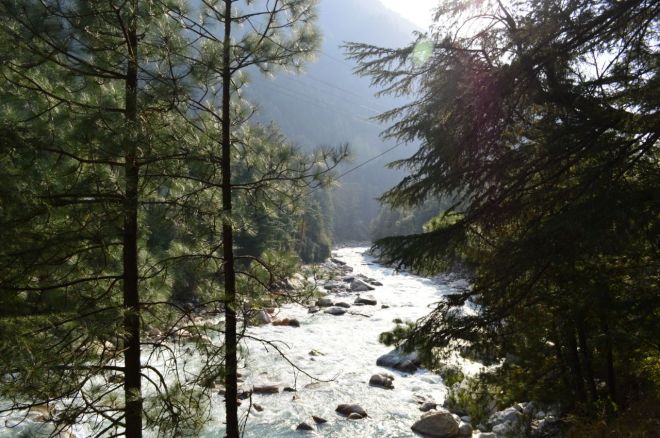
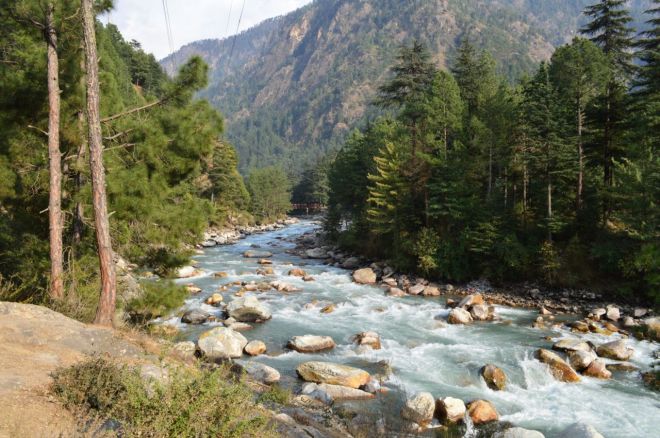
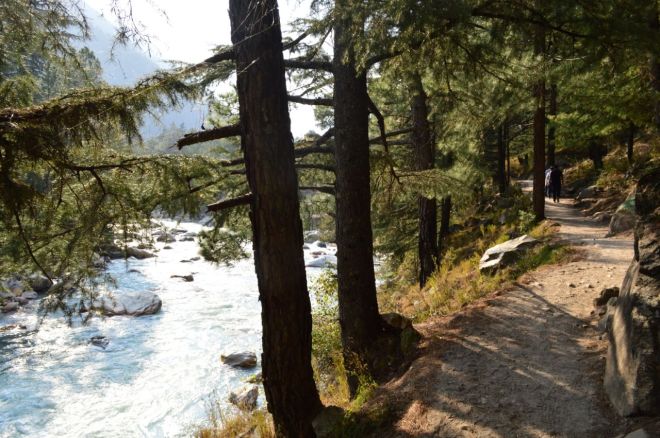
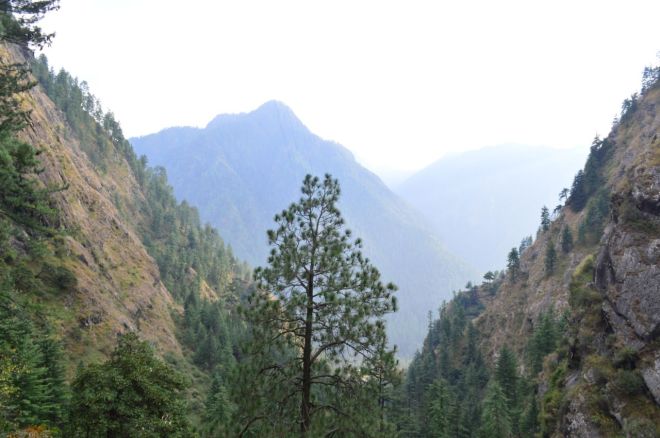
Our love of Camping is well known, recently we have been to a Secret Camping Site in Northen Part of India Kasol, Himanchal.
Here are some Images from our wonderful trip !!
Parvati RiverView from TentRoad Less Traveled, Way to CampsiteCampsite at NowhereEvening ViewRiver ViewSunset
Geo Location
Pictures by: Satyavrat
Please click on the ads which appear on the website and help us earn some money to travel. This blog is still very young and growing. If you like the story, do not shy away from reciprocating your love in form of likes comments and sharing on social media
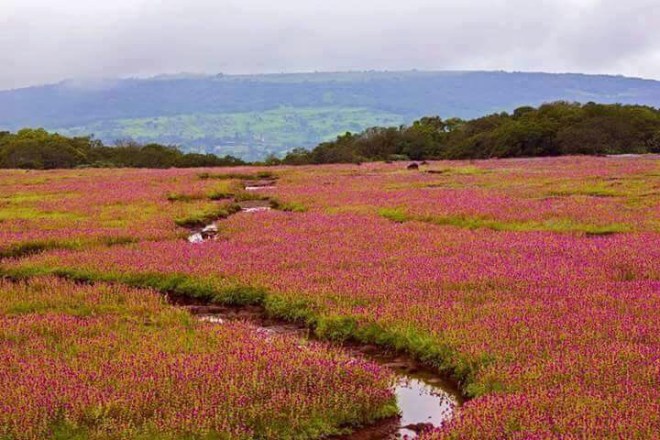
Did you ever wish to visit heaven prior to death? Yes it is possible and is situated in a very close proximity to Mumbai. I am talking about “Kaas plateau” aka “The valley of flowers.” The Plateau has been recognized as “bio diversity heritage site” by UNESCO.
A car, 3 friends, a DSLR, some beer and kickass music what else do we need for a road trip! All of us being fresh graduates did not own a car but we hired a self-drivediesel car from Girikand cars and headed straight to Mumbai-Pune expressway and reached Satara town in about 6 hours(it’s not that far but we took a couple of breaks to enjoy the journey). Being a national highway, the roads were smooth and there was no scarcity of eateries. We halted at one of the dhabas to fill our tummies and kept moving. It was an uphill journey from Satara to 1 of the 7 wonders of Maharashtra – The Kaas Plateau. This 22 KMs ghat is not a very tough one to drive on and its full of scenic beauty. As we went closer we could seethe blossoms and suddenly it started drizzling making the journey more pleasing. Car parking space is after you cross the valley of flowers and you have to walk back to the valley. Once we reached on the plateau, all we witnessed was an endless carpet of colorful blooms on both sides of the road. It seemed as if the rainbow has been laid on the ground.
The whole stretch was so refreshing and rejuvenating that for once, we thought of quitting our jobs and stay in the valley forever. It is a surely a paradise for shutterbugs and can be an inspiration for poets and painters. Kaas also endorses a breathtaking aerial view of Shivsagar lake. The Kaas plateau is known to be home to around 850 varieties of plants of which around 600 are flowering plants and about 40 of which are only found in Kaas. The volcanic soil i.e. rich in natural minerals is the reason for such wide floral diversity. This plateau is surely an ocean of learning for botanists and researchers. Being a weekend it was crowded.We were luck to visit the heaven in the days when there was no entry fee but now a days, a very minimal fee of Rs 100/- is charged per person. We are sure you won’t mind this once you soak yourself in the carpet of flowers.
Humble Suggestion: Do not pluck or disturb the blossoms and walk only on the pathways marked with stones. Also, buy some stuff(snacks, etc) item from the local vendors as tourism is probably the only source of income.
When to Go: Best time to visit is end august to November as the flowers bloom during these months. Do check this website https://www.kas.ind.in/ before visiting Kaas to see the current pictures of Kaas.
Kaas Lake
Where to stay: There are a few stay options on the way to Kaas plateau but we went further downhill to a laid back village called Bamnoli and stayed at a local home stay on the lake side. Check our story on this pretty lazy village.
Must carry stuff on a roadtrip: Aux cable, cigarette point charger, knife, water, jacket, extra pair of shoes, sunglasses, sunscreen, old newspapers, mat, bedsheet, nail cutter, mug, DSLR, football, snacks, beachwear (if the place you heading to has a beach)and hell lot of great music.
After experiencing Kaas and staying at Bamnoli, we headed to an un-touched white sand beach on the Konkan coast. Stay tuned for next story to know more about this virgin beach.
Story by: Abhimanyu
Pictures by: Utkarsh
Please click on the ads which appear on the website and help us earn some money to travel. This blog is still very young and growing. If you like the story, do not shy away from reciprocating your love in form of likes comments and sharing on social media
I love traveling! It doesn’t matter whether the destination is at, above or below sea level. As you know, I work for a corporate house as well getting long leaves is a herculean task. I try to utilize all the long weekends and convert them into holidays. Trust me, it’s not that difficult when you plan in advance and have great set of friends to accompany you. I had 4 of them with me.
Last year, we eyed on 15th August (Independence Day Holiday in India) long weekend and planned a 5 day trip to Kerala – God’s own country.
Flight tickets – Check
Accommodation – Check
Intercity Transfers – Check
After a few morning hiccups and winning over a hefty traffic jam on the way to Pune airport, we on-boarded a morning flight from Pune to Kochi. We landed at the beautiful Kochi Airport to find our pre-booked cab waiting for us at the airport.
Kochi Airport
It was a neat, a bit old but well maintained Toyota Innova(my fav car for longer roadtrips). I am always hungry to taste local food while traveling; the cabbie took us to a local restaurant in Kochi to enjoy some delicious local Kerala food.
We commenced our voyage to Munnar aka Kashmir of the south. En route Munnar our eyes could not stop peeping outside the car window without blinking. Mesmerized by the beauty of Valara waterfalls we got out of the cabs to click some memories. Valara falls, where the water cascades from an altitude of about 1000 mts, which itself was a treat to eyes and the camera lens. Munnar is known for magnificent waterfalls, we could not visit all (remember lack of leaves for this poor corporate junkie) here is a brilliant article which gives a great insight. http://www.munnar.com/waterfalls-in-munnar.htm#waterfalls.
Where to Stay? – We stayed in Hotel Munnar black forest www.munnarblackforest.com. It’s a budget hotel located on Kochi Munnar road. Rooms are not that great neither the food is. We do not recommend this hotel and search for better options. Munnar is full of better stay options.
Places to visit in Munnar – This gorgeous hill station in Western Ghats is located at 1600mts above sea level. The height and the climate make it apt for tea plantations. We witnessed the whole of mountains covered with tea estates till horizon. The green leafy carpet and the aura of tea plantations surely make it an #instagram paradise. We even managed to gate crash an estate on the way to breathe tea and some perfect clicks.
That’s me enjoying in the tea estate
Munnar Tea Museum – As they say,” tea doesn’t ask silly questions, it understands.” When you have such a huge yield of tea, it needs to be processed, packed and marketed as well. This tea museum imparts you enough knowledge on how a tea leaf is converted and marketed as the tea which we use in our households. Established in 2005 previously owned by Tata’s and now by Kanan Devan Hills Plantations Company (P) Ltd. (KDHP), this museum has so many historic machinery and models still preserved in good shape. They show a short film which depicts the history of Munnar and its lovely tea plantations. After the film, it also offers a tour to the factory in which you can see and learn the technicalities involved in processing your favorite beverage to come out of morning blues every day. You can taste and buy some tea varieties e.g ginger, masala, green and white tea.
Baith jata hun wahan, Chai bann rahi ho Jahan.
Mattupetty Dam – This dam is built near the confluence of mountain streams of Muthirappuzha, Chanduvarai and Kundale Rivers. It is used to generate electricity using hydel power. The large amount of water favors wild animals and birds to flourish. There are a few small shops to buys some local stuff like cardamom, masala and some munchies.
Places to visit in Alappuzha – This laid back heaven in south India is also known as Alleppey and Venice of the East. Well known for the backwaters, canals, lagoons and houseboats.
Backwaters – Shikara(boat) ride across the backwaters is a must do and you may book the ride right from the boarding point at the river side. Ask locals or hotel reception for guidance. Avoid hiring the boat through any agent as you might strike a cheaper deal at the boarding point. There are public boat buses which run across this city of Venice … oops; Alleppey.
While on the boat tour cruising on the backwaters; close your eyes, spread yours arms wide and feel the wind pass through your body. The water is clean, calm and serene. One can write books on the breathtaking beauty of this lake city. It surely is a honeymooner’s paradise, a painter’s painting, a poet’s lyrics and a musician’s beats. The song which kept on playing in my head during this trip, as Godsmack brilliantly sung, “I need serenity and a place where I can hide.”
Alleppey also has a beach which is usually crowded and not very clean.
Stay in Alleppey – This being an important tourist destination you can find many stay options from budget homestays to exotic 5 stars. Houseboat can also be a unique idea to stay which serve you great food, comfortable bedrooms and tidy western toilets while sailing across the backwaters. We stayed in a mid-ranged 3 star resort called Pagoda Resort which can be booked here www.pagodaresorts.com. The rooms are comfortable and food is to be relished forever (we were there at the time of kerala food festival). In Pagoda resort, you must gift yourself a kerala ayurvedic massage therapy, to help you forget the worldly affairs, work pressure, targets and let you meet your better and relaxed self. We opted for the relaxing Shirodhara and I vouch for it totally.
When to Go – In Munnar the weather is pleasant throughout the year but if you do not like rains avoid going in Monsoon (June, July and October) season as it rains cats, dogs and sometimes elephants too. Whereas in Alleppey summers are hot and winters is the best season to explore. Or you may plan Alappuzha at the time of Nehru Trophy Boat Race, held on the Punnamada Lake, on the second Saturday of August every year (we missed it by a week).
What to eat – I strongly recommend eating local food which includes idli, rice, appam, uttapam, dosa, sambhar, rasam, etc. Kerala is known for sea food. One must also try variety of chips/ wafers which are a local delicacy. We enjoyed an authentic south Indian meal and various other food items served on a banana leaf at the very famous Sarvana Bhavan in Munnar.
After cruising about 450 kMs(excluding the air travel) through a few cities and villages, beautiful landscapes, mystic mountains, pleasant waterfalls, a soothing beach, a healing ayurvedic massage, lip smacking kerala food and mesmerizing backwaters we ended up this amazing journey to the God’s Own Country with some memories to be cherished for lifetime.
We can help you plan one such trip. Please write to us on info@yatripandit.com
Abhimanyu@yatripandit
Please click on the ads which appear on the website and help us earn some money to travel. This blog is still very young and growing. If you like the story, do not shy away from reciprocating your love in form of likes comments and sharing on social media
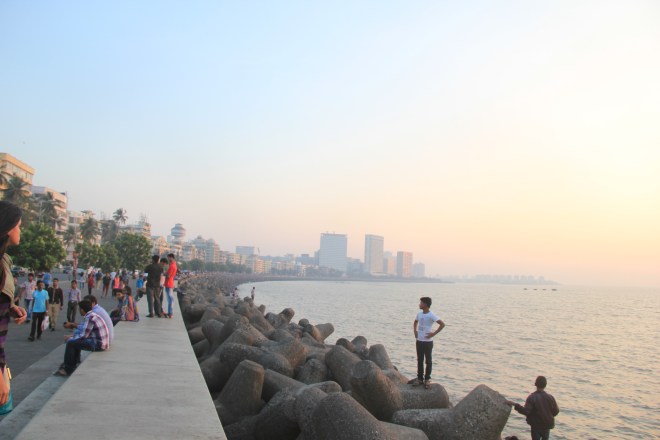
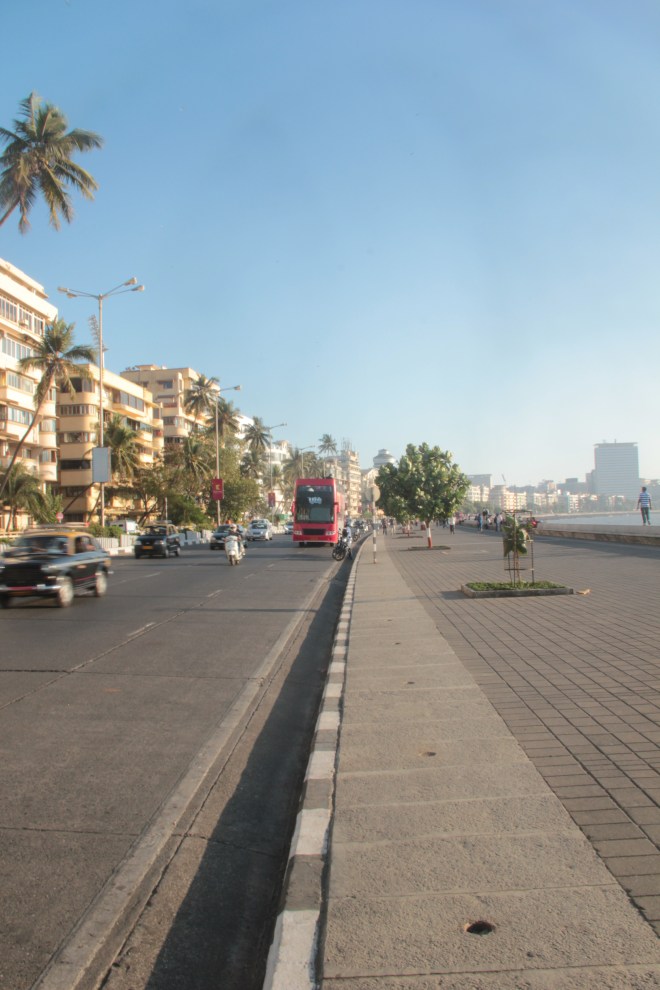
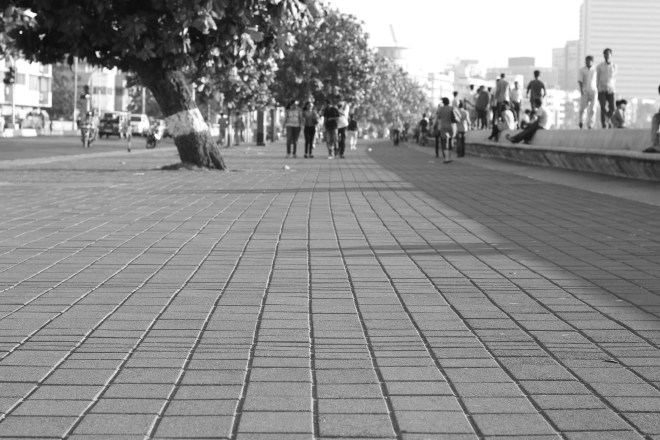
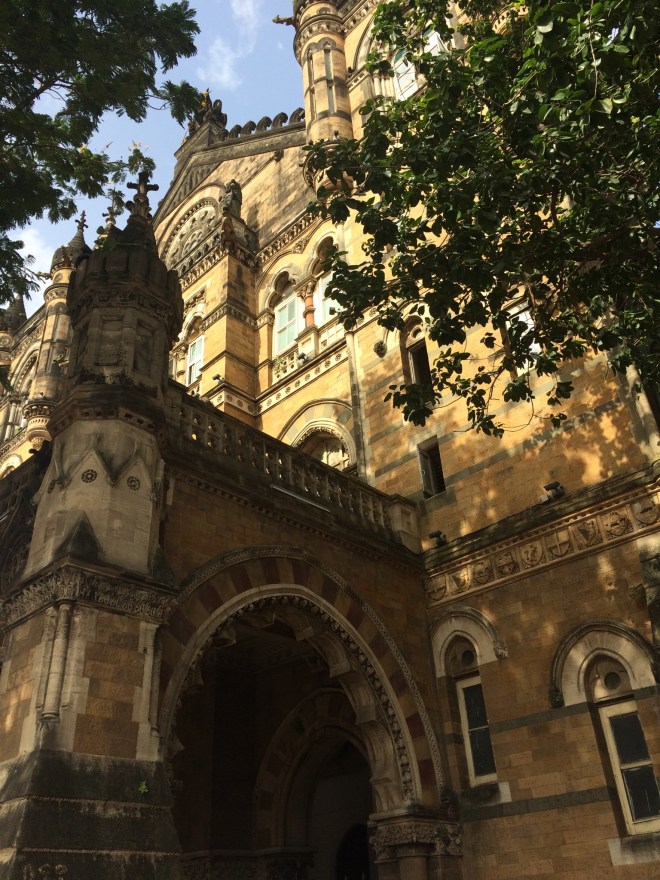
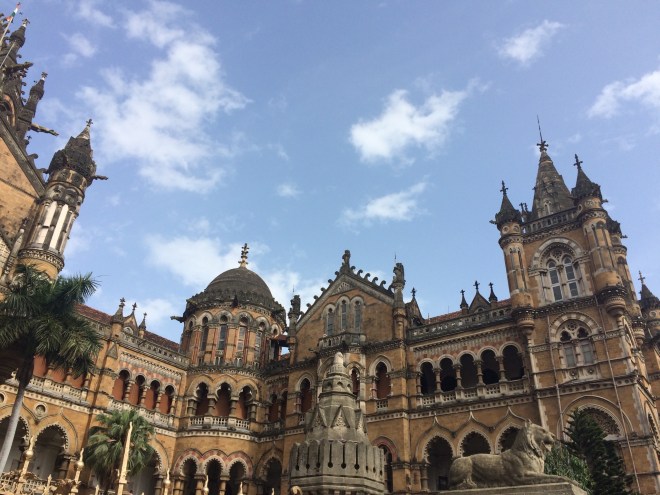
I was born in Mumbai and spent quite a some time there, for me its more of an emotion rather than a City.
During my stays I have collected quite a few photos
Best thing about Mumbai is Marine Drive
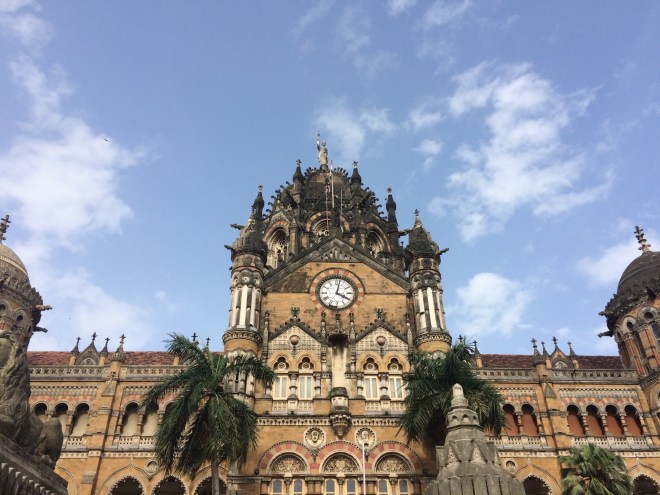
Largest World Heritage Site Fort Area
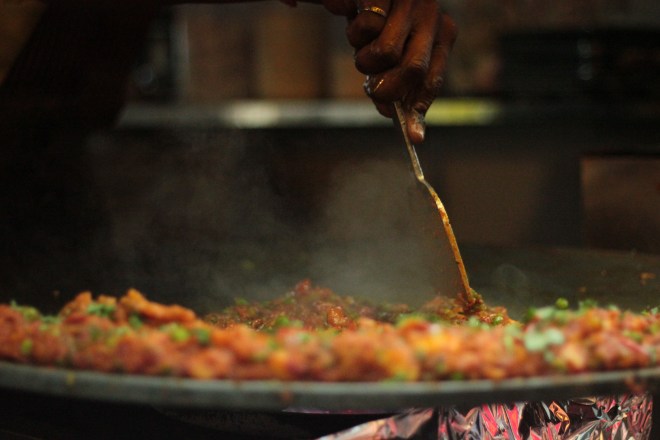
Citylife
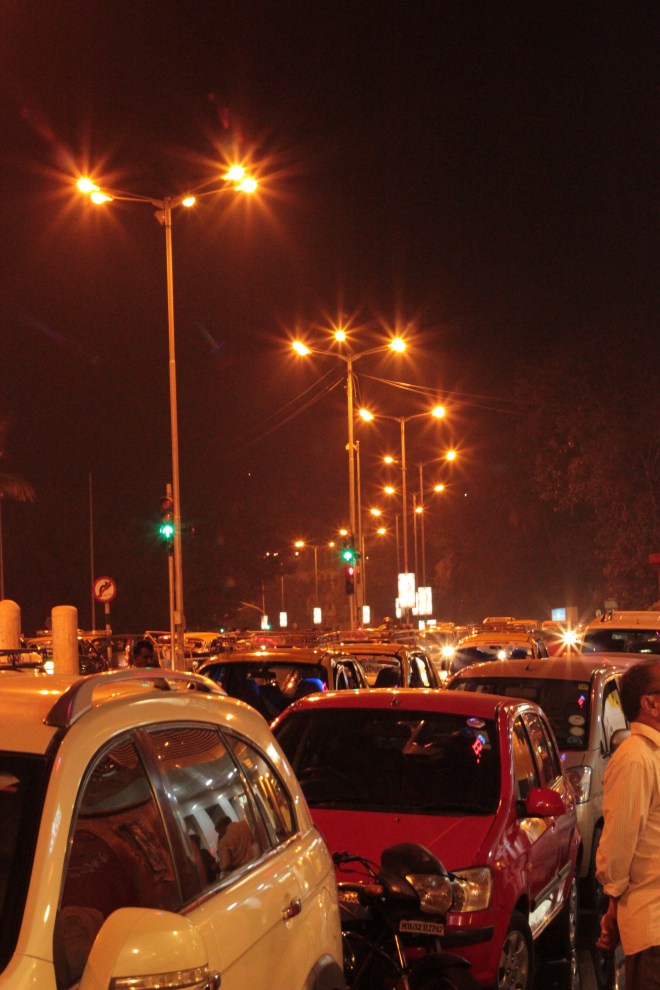
City That Never Sleeps
PS: Please click on the ads which appear on the website and help us earn some money to travel. This blog is still very young and growing. If you like the story, do not shy away from reciprocating your love in form of likes comments and sharing on social media.
What can be a better escape on a rainy weekend from Mumbai or Pune than Matheran. Matheran is the only hill station in India, where vehicles are banned and you can clearly listen the sound of breeze rustling leaves and that of the horseshoes.
It is the one hill station that is so close by that one can visit it at the drop of a hat. One can commute and explore the hills either on foot or on horseback. This is a perfect place for Digital detoxification as one can call it, to enjoy in the lap of mother nature.
As far as travel to the hill station is concerned, Matheran can be reached by road from Mumbai or Pune via Road or Train with ease.
We stayed at Hotel Cecil which is a very calm place and fits in the budget. It is a heritage building and is about 100 years old. The rooms were very spacious, the washrooms were okay but the food was really good. Even though they do not serve any nonvegetarian food or alcohol, still I would say that the quality of food and variety was good.The rent on a weekend for a single night was Rs 3000/- for a double occupancy room, inclusive of all meals.
This slideshow requires JavaScript.
As for tourist activities, Matheran has about 22 points which are listed below. These were all developed by Britishers.
Important points are Alexander Pt., Rambag Pt, Little Chowk Pt, Big Chowk Pt, One Tree Hill Pt, Belvedere Pt, Olympia Race Course, Lords Pt, Charlotte Lake,Celia Pt (a waterfall mouth), Echo Pt., Porcupine Pt (Sun Set Pt), Panorama Point (Sun Rise Pt), Khandala Pt, Madhavji Garden & Point, Matheran Railway Station, Louisa Point, Mayra Point, Pisarnath Temple.
It takes about 3 days to cover all the points and since we had a time constraint we decided to visit only the important places. We decided to visit all the scenic points but if you are an adrenaline junkie, you can try Valley crossing from echo point. High on the hills, when you witness the fog and feel the cold wind against your face nothing can taste better in that weather than hot maggie and corn. It’s advisable to reach back your resort before it gets dark as the hill terrain is not equipped with street lights. So to reach in time, we decided to hire horsebacks with funny names such as hawa hawai. After sound night’s sleep and a delicious morning breakfast, we left for Mumbai. Took a Toy train (15 mins journey) from Matheran to Aman Lodge, then shared taxi to Neral and then Local train to Thane and finally back home after experiencing a much needed Digital Detoxification.
PS: Please click on the ads which appear on the website and help us earn some money to travel. This blog is still very young and growing. If you like the story, do not shy away from reciprocating your love in form of likes comments and sharing on social media.




























 Yatripandit