Introduction
Rajasthan, the land of kings, majestic forts, golden deserts, vibrant colors, and timeless traditions, has always been one of India’s most iconic travel destinations. For travelers visiting India for the first time, Rajasthan offers a complete introduction to the country’s cultural richness, historical depth, and architectural brilliance.
My journey through Rajasthan was not just a vacation but a deeply immersive experience that connected me with India’s royal heritage. I traveled through three of its most famous cities—Jaipur, Jodhpur, and Udaipur—each offering a unique perspective of the state’s identity. From grand forts to peaceful lakes and bustling local markets, every moment felt meaningful and unforgettable.
Travel Planning & Preparation
Planning was an important part of this journey because Rajasthan is a large state with long distances between major cities. I decided to create a 6-day itinerary that would allow enough time to explore each destination comfortably without rushing.
Hotels were booked in advance, especially because Rajasthan sees heavy tourist traffic during the winter season. Staying in centrally located hotels helped in reducing travel time and made it easier to access popular attractions.
For transportation, I opted for private taxi services between cities. This provided flexibility, comfort, and convenience, especially for sightseeing stops along the way. Packing also required attention due to Rajasthan’s weather conditions. Light cotton clothes, sunglasses, sunscreen, comfortable shoes, and a water bottle were essential throughout the journey.
Proper preparation made the trip smooth and allowed me to focus completely on the travel experience.
Jaipur – The Pink City of Heritage
The journey began in Jaipur, famously known as the Pink City due to the distinct color of its old buildings. The city immediately impressed me with its well-planned structure, wide roads, and vibrant cultural atmosphere.
The highlight of Jaipur was the visit to Amber Fort, located on a hilltop overlooking Maota Lake. The fort’s massive gates, detailed mirror work, and beautifully designed courtyards reflect the grandeur of Rajput architecture. Walking through its corridors felt like stepping back into royal history.
Another iconic landmark was Hawa Mahal, a stunning pink sandstone structure with hundreds of small windows designed for royal women to observe street life without being seen. The architecture is both artistic and functional, making it one of India’s most photographed monuments.
I also explored the local markets of Jaipur, including Johari Bazaar and Bapu Bazaar. These markets were filled with traditional jewelry, handicrafts, textiles, and souvenirs. The vibrant atmosphere, combined with local craftsmanship, made shopping a memorable experience.
Jaipur provided the perfect introduction to Rajasthan’s royal charm and cultural depth.
Jodhpur – The Blue City Experience
From Jaipur, I continued my journey to Jodhpur, a city known for its blue-painted houses and strong historical identity. The first sight of the city from Mehrangarh Fort was absolutely breathtaking.
Mehrangarh Fort is one of the largest forts in India and stands tall above the entire city. Inside the fort, museums display royal artifacts such as weapons, costumes, palanquins, and paintings that showcase the lifestyle of Rajput rulers. The fort walls offer panoramic views of the blue city below, creating a picture-perfect landscape.
Exploring the old city of Jodhpur was another unforgettable experience. The narrow lanes, blue houses, bustling markets, and street vendors created a lively and authentic atmosphere. Every corner of the city reflected traditional Rajasthani life.
I also visited Jaswant Thada, a peaceful marble memorial built in honor of Maharaja Jaswant Singh II. Its calm surroundings and beautiful architecture made it a perfect place for reflection.
Jodhpur offered a strong connection to Rajasthan’s royal history and everyday cultural life.
Udaipur – The City of Lakes
The final destination of my journey was Udaipur, often called the City of Lakes. Unlike the energetic vibe of Jaipur and Jodhpur, Udaipur felt peaceful, romantic, and scenic.
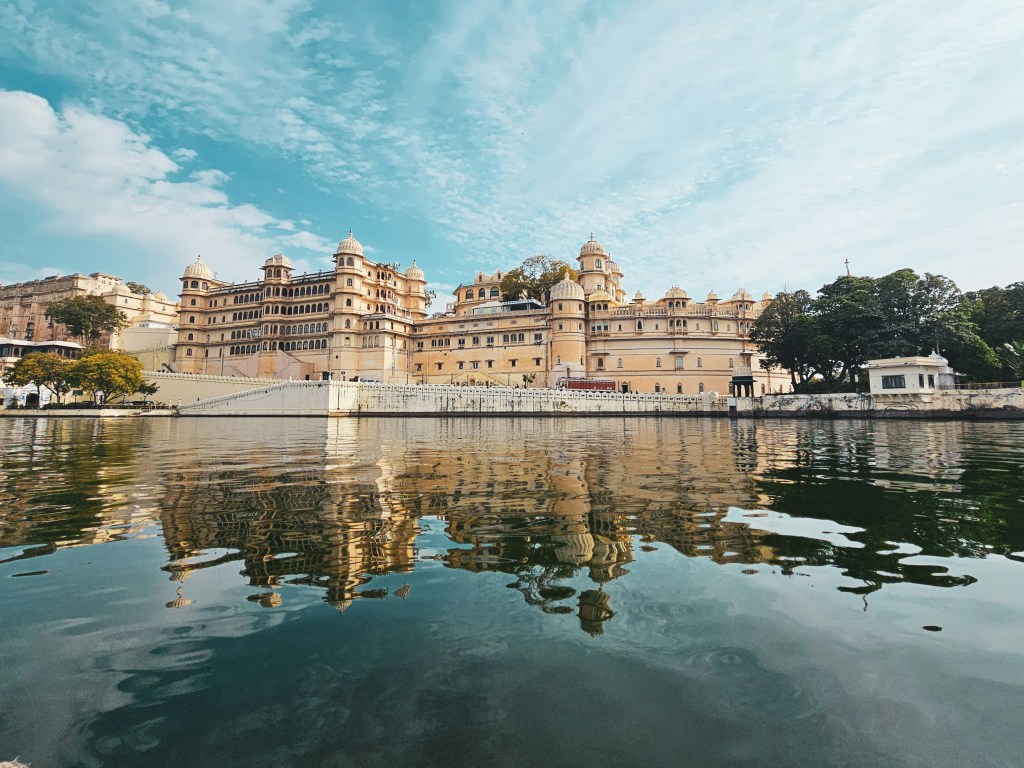
The most memorable experience was a boat ride on Lake Pichola during sunset. The golden light reflecting on the water, along with views of the City Palace and surrounding hills, created a magical atmosphere.
I also visited the City Palace, a grand architectural complex that beautifully combines Rajasthani and Mughal styles. The palace offers stunning views of the lake and city, making it one of the most important attractions in Udaipur.
Other places like Jagdish Temple and Saheliyon Ki Bari added cultural and historical depth to the visit. Udaipur’s calm environment, clean surroundings, and scenic beauty made it the perfect place to conclude the journey.
Local Culture & Traditions
One of the strongest aspects of Rajasthan is its living culture. Every city has its own traditions, folk music, dance forms, and cultural expressions that bring life to the region.
During my journey, I witnessed traditional performances that included Rajasthani folk songs and dance shows. The colorful costumes, energetic movements, and storytelling through music reflected the deep cultural roots of the state.
Local handicrafts were another highlight. From miniature paintings to block-printed textiles and handcrafted jewelry, Rajasthan’s artisan community continues to preserve centuries-old traditions. These crafts are not just products but a reflection of cultural heritage passed through generations.
Food Experience in Rajasthan
Rajasthani cuisine added an entirely new dimension to the travel experience. The food is rich, flavorful, and deeply connected to the region’s desert lifestyle.
Traditional dishes such as dal baati churma, gatte ki sabzi, ker sangri, and various types of kachoris were widely available throughout the journey. Each dish had a unique taste influenced by local ingredients and cooking techniques.
Street food in Jaipur and Jodhpur was also a highlight, offering authentic flavors at affordable prices. The variety of food experiences made the journey even more memorable.
Travel Tips for First-Time Visitors
- Plan a minimum of 6–7 days for a complete experience
- Book hotels and transport in advance during peak season
- Carry light cotton clothes and stay hydrated
- Use local guides for historical monuments
- Respect local traditions and cultural norms
- Explore local markets for authentic products
- Avoid peak summer months due to extreme heat
Best Time to Visit Rajasthan
The best time to visit Rajasthan is between October and March when the weather is pleasant and suitable for sightseeing and outdoor activities.
Winter season is ideal for exploring forts, palaces, and desert safaris. Summer months can be extremely hot and challenging for travel, while monsoon season offers greenery but also higher humidity.
Final Reflection
This journey through Rajasthan was not just about visiting tourist destinations but about experiencing India’s royal heritage in its most authentic form. Each city offered something different—Jaipur’s architectural beauty, Jodhpur’s historic strength, and Udaipur’s peaceful charm.
Rajasthan remains one of the most recommended destinations for first-time travelers to India because it offers a complete combination of history, culture, hospitality, and travel infrastructure.
The experience left a lasting impression and created memories that will always remain special.
Author Bio
Yugraj Mewara is a travel enthusiast who enjoys exploring cultural destinations and sharing travel experiences. He focuses on writing simple, experience-based travel stories to help readers discover new places and plan better journeys. follow https://indiatourgroup.com


Leave a Reply